精读笔记
Problem Setting
这篇论文解决的不是一般意义上的 PnP image reconstruction,而是 structured PnP-PGD 在 denoiser domain mismatch 下的目标错位问题。已有 convergence work 往往证明 deployed denoiser 满足 nonexpansive、contractive 或 proximal 条件时迭代稳定,但这类结论默认部署 denoiser 所代表的 prior 就是目标域 prior。实际中 source-domain denoiser 即便是合法 proximal map,也只是某个 source regularizer 的 proximal map;它可能稳定地收敛到错误 prior 下的 stationary point。
真正困难点在于 mismatch 不是传统 optimization error,也不是 denoising test MSE 可以直接解释的量。PnP-PGD 查询 denoiser 的输入来自迭代轨迹,而不是标准 Gaussian denoising distribution;同时 PnP 需要的是一个 proximal response,而 MSE training 学到的是 posterior mean。关键矛盾是:工程上想用少量目标域 clean images 修正 denoiser,但理论上真正需要修正的是 PnP trajectory 上的 operator behavior,而不是独立去噪性能。
Motivation
已有路线缺的是一个把 domain mismatch 显式接入 PnP convergence 的量。固定点分析能说迭代是否稳定,但不能说它相对目标域 objective 的 stationarity 损失有多大;inexact proximal gradient 理论能处理 proximal error,但没有把这个 error 解释成 deployed denoiser 与 target proximal map 的域差异;MSE adaptation 能改善 denoising,但不保证改善 PnP 所需的 proximal operator。
作者的核心观察是:如果目标域存在一个 reference proximal map D_star = prox_Rstar,那么 deployed denoiser D_hat 在每个 PnP query z_k 上相对 D_star 的偏差,正好可以视为 target objective 的 inexact proximal step。这个观察把 prior mismatch 从抽象分布差异变成了轨迹相关的 operator discrepancy。由此自然推出 adaptation 应该对齐 proximal response,而不是只对齐 clean target image。
Core Idea
论文真正的核心是改变 mismatch 的建模方式:不再问 denoiser 是否“好去噪”,而是问它在 PnP-PGD 访问的 query points 上是否像目标域 proximal operator。定义 d_k = ||D_hat(z_k) - D_star(z_k)|| 后,作者把 deployed update 写成 target proximal update 加扰动,并证明 proximal subproblem error 被 d_k^2 控制。最终 stationarity bound 变成一个 O(1/K) 优化项加平均 proximal mismatch 残差。
这带来的 inductive bias 很明确:adaptation 目标应该偏向 MAP/proximal behavior,而不是 MMSE/posterior mean behavior。Proximal matching loss 本质上用一个 Gaussian-kernel 型目标逼近 posterior mode,从而更接近 prox_{sigma^2 R_tar}。和 prior 的本质区别不是新网络更大,而是训练信号从 pointwise denoising regression 转成 operator-level alignment;这对 few-shot 场景尤其有意义,因为少量数据下 MSE 很容易学到错误的条件均值或破坏结构,而 PM 更强地约束输出靠近 mode-like proximal response。
Method
第一,理论部分引入 target proximal reference。它解决的是“目标 objective 到底是什么”的问题。没有 D_star,domain mismatch 只能是经验描述;有了 D_star,就可以把 D_hat 的每次调用解释为 target proximal step 的误差。核心变化是从 denoiser-level convergence 转到 target-objective stationarity。
第二,proximal mismatch 被定义在 PnP trajectory query points 上。这样做是必要的,因为离线 Gaussian denoising distribution 不等于 PnP 实际查询分布。它把误差度量从全局分布距离缩到算法真正访问的区域,因此更贴近 reconstruction failure 的来源。
第三,adaptation 使用 proximal matching 而非 MSE。它解决的是 MSE 学 posterior mean、而 proximal/PnP 需要 MAP-like operator 的错配。对于 LPN,PM 保留 architecture-level proximality;对于 GS,PM 放在 gradient field 上,并用 contractivity penalty 维持 proximal interpretation。GS 的 contractivity penalty很关键,因为否则 fine-tuning 可能直接破坏支撑理论的 L < 1 条件。
第四,target-trained reference 只在实验评估中用于计算 trajectory gap。这个设置能验证 mismatch 与 reconstruction quality 的相关性,但也说明实际 adaptation 并没有真正访问 D_star;它依赖 clean target samples 加 corruption 过程来间接逼近 proximal target。
Key Insight / Why It Works
最重要的 insight 是:PnP adaptation 的有效性不应由 denoising MSE 决定,而应由 deployed operator 是否接近目标域 proximal map 决定。理论上,d_k^2 直接进入 stationarity upper bound;直觉上,PGD 的每一步都在把当前点投向 prior manifold,如果这个投影方向来自错误域,即使每步稳定,长期迭代也会稳定地产生错误结构。
PM 有效的最可能原因是 better inductive bias + representation/operator alignment,而不是 scaling。它把训练目标从 posterior mean regression 改成 smoothed posterior mode seeking,更符合 proximal/MAP 解释。few-shot 下这尤其重要:MSE 对少量 target images 容易过拟合或平均化,GS-MSE 甚至显著破坏 empirical Jacobian;PM 加 contractivity regularization 则更像是在保持原有 source proximal structure 的同时移动 operator response。
论文中真正的核心贡献是 mismatch-to-stationarity 的桥接,而不是具体 PM loss 本身。PM loss 来自 Fang et al. 的 proximal matching 思路,LPN/GS 也是已有结构;新意在于说明为什么这种 loss 是 PnP adaptation 的自然目标,并用 bound 把它和 reconstruction trajectory 绑定起来。
需要谨慎的是,实验增益并不完全能归因于 proximal matching 的理论语义。GS-AdaPM 同时用了 contractivity penalty,而 GS-MSE 在 few-shot 下 Jacobian 爆到很大,说明部分收益可能只是来自结构正则化和优化稳定性。LPN 中 PM 的 bounded loss 也可能比 MSE 更鲁棒。文中未充分说明 PM、bounded robust loss、contractivity regularization、bandwidth annealing 各自贡献。
Relation To Prior Work
这篇处在 structured PnP/proximal denoiser 与 prior mismatch analysis 的交叉点。它最接近 Hurault/Fang 一类把 denoiser 设计成 proximal operator 的工作,也接近 Shoushtari 等关于 prior mismatch 的 PnP/RED 分析。不同点是它不只是要求 deployed denoiser 有 proximal structure,而是引入 target-domain proximal reference,并分析 deployed map 替换 target map 后对 target stationarity 的影响。
和 fixed-point PnP convergence 的差异很实质:固定点路线通常证明迭代收敛,但 stationary object 可能不是目标域想要的;本文关心的是相对 F_star 的 stationarity residual。和 classical inexact PGD 的差异在于 error 不是抽象 epsilon-optimal,而是由 denoiser domain mismatch 诱导,并可通过 operator matching adaptation 降低。
看似新的 proximal matching adaptation,本身更像已有 MAP/proximal-vs-MMSE 认识的重组与定向使用。实质创新在于把这个认识落到 PnP-PGD trajectory 和 stationarity bound 上,使“为什么不要只用 MSE fine-tune denoiser”有了明确理论理由。
Dataset / Evaluation
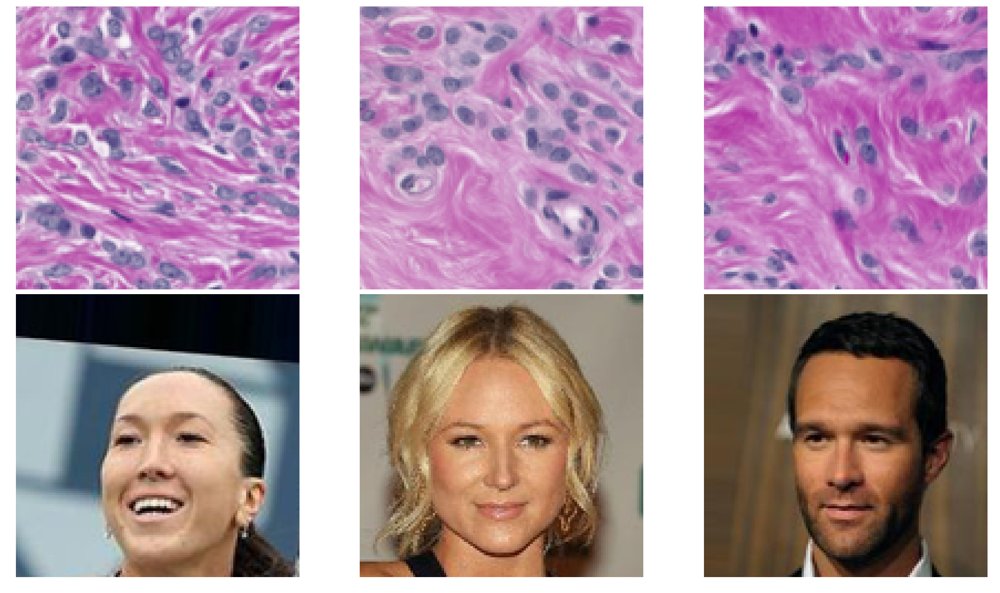
实验覆盖两个合成 inverse problems:Gaussian deblurring 和 4x super-resolution;domain shift 使用 BreCaHAD 到 CelebA,语义和低层统计差异都很大。这个设置足以测试 severe prior mismatch 下 few-shot adaptation 是否有用,也能说明 PM 在两个 structured denoiser family 中趋势一致。
但 evaluation 仍是受控合成环境,不是真实成像系统,也没有覆盖 CT/MRI 等更典型 computational imaging 部署场景。forward operators 比较干净,noise model 简单,PnP iteration 固定,图像分辨率也有限。因此它验证了理论机制的 plausibility,而不是证明方法在真实 deployment 中已经 general。
trajectory gap 的设计和论文 claim 匹配:它直接比较 candidate denoiser 与 target-trained reference 在 PnP query 上的输出差异。这很好地支持“低 mismatch 对应高 reconstruction quality”。但它也依赖 family-matched target reference,这在实际部署中通常不可得。实验没有充分展示在无 reference、trajectory distribution 更复杂或 adaptation corruption 与 PnP query 分布不匹配时是否仍有效。
Limitation
最核心限制是目标域 proximal reference 的假设。理论把 D_star 当作存在且满足 target-envelope regularity 的对象;LPN 下比较干净,GS 下还需要 image membership 和 L < 1 等条件。真实应用中,目标 prior 是否存在可微、结构化、可由 target-trained model 表示的 proximal map,并不显然。
第二,PM adaptation 实际没有直接访问 PnP trajectory 上的 D_star,而是用 clean target images 加 Gaussian corruption 构造训练样本。这把问题从“匹配 trajectory proximal response”转移为“Gaussian denoising samples 能否逼近 trajectory query distribution”。文中提到 future work 要纳入 trajectory queries,说明当前训练目标和理论 mismatch d_k 之间仍有 gap。
第三,增益归因不够干净。GS-AdaPM 的优势可能相当一部分来自 contractivity penalty 避免 fine-tuning 崩坏,而非 PM 本身;LPN-PM 的优势也可能来自 bounded loss 的 robust optimization 特性。文中未充分说明如果给 MSE baseline 同样强的 contractivity/regularization、或替换成其他 robust loss,结论会怎样。
第四,scalability 上限不清。PM 接近 MAP/proximal target 依赖 posterior mode 的可识别性和 bandwidth 选择;高维自然图像 posterior 可能多模态,mode seeking 未必总比 posterior mean 更适合 perceptual reconstruction。该方法在 severe source-target shift 上有效,但泛化是否来自真正 operator alignment,还是来自少量 CelebA 数据已经足够覆盖测试分布,仍需更强 benchmark 验证。
Takeaway
- 1. PnP denoiser adaptation 的核心对象应该是算法内的 operator behavior,而不是 standalone denoising score。
- 这个视角可以迁移到很多 learned optimizer / implicit prior 系统:评估模型时要看它在 solver trajectory 上的作用。
- 2. Structured proximal denoiser 的价值不仅是给 convergence proof,更是让 domain mismatch 有了可解释的 target:D_hat 应该接近 D_star。
- 没有结构化 reference,所谓 prior mismatch 很难进入可操作的误差界。
一句话总结
这篇论文把 PnP-PGD 的域适配从“提高 denoising MSE”推进到“降低目标 proximal operator mismatch”,其主要贡献是用 stationarity bound 证明 operator-level proximal matching 才是 structured PnP few-shot adaptation 的正确优化对象。